

Some golf balls spin more, and some golf balls spin less. That is a fact. Also, it is a fact that soft golf balls spin less. Why is that the case? You will find the answer below.
But first, let me tell you what actually makes the ball “soft”. It mainly comes down to compression. Soft, in golf terms, refers to a lower compression rating. In simple terms, that means when you hit the ball, it squishes more against the clubface. This compression affects everything. Including how the ball feels on impact, how far it flies, and, for the sake of this article, how much it spins.
Why Do Soft Golf Balls Spin Less?
Let’s dig into the science a bit. When you hit a soft golf ball, it compresses more against the clubface compared to a firmer ball. This increased compression decreases the friction between the ball and the grooves of the clubface. Less friction means less spin, especially on full shots.
The softer core also plays a role. Lower compression cores generate less ball speed and less spin off the driver and long irons. So while you may not get that crazy backspin you see on tour highlights, you will get a more stable, straighter shot off the tee.
Soft golf balls are generally designed to be easier to control. Especially for golfers with moderate to slower swing speeds. The lower spin helps reduce sidespin, which is what leads to hooks and slices. If you struggle with accuracy off the tee, switching to a softer ball can make a noticeable difference.
There is also the benefit of a softer feel. Many players find that soft balls provide a more comfortable sensation at impact.
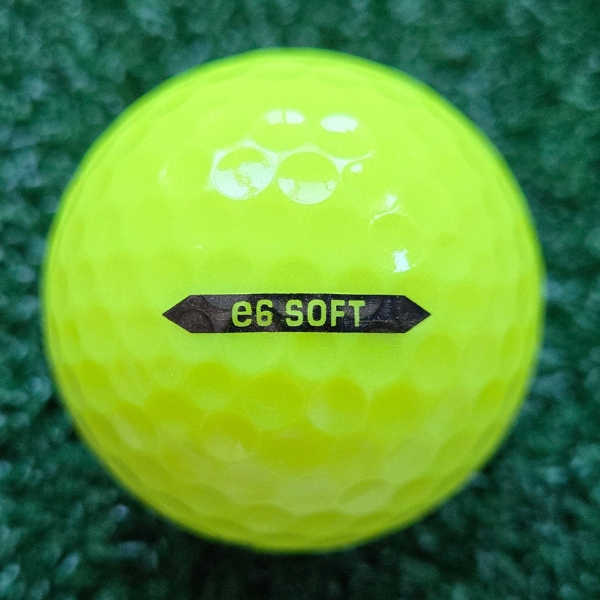
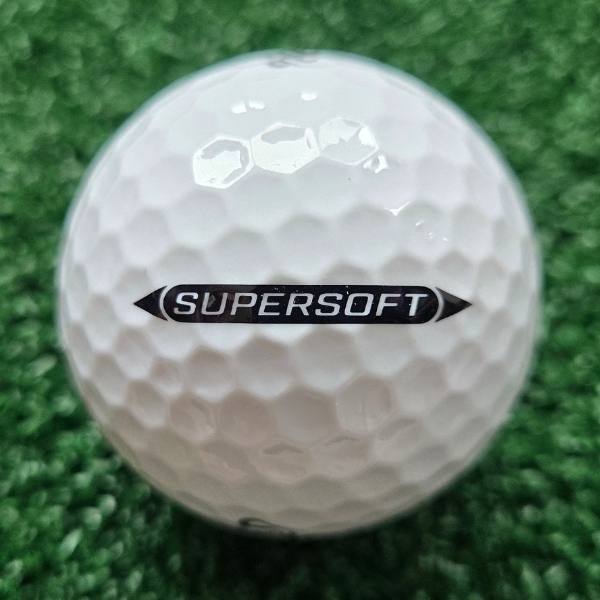
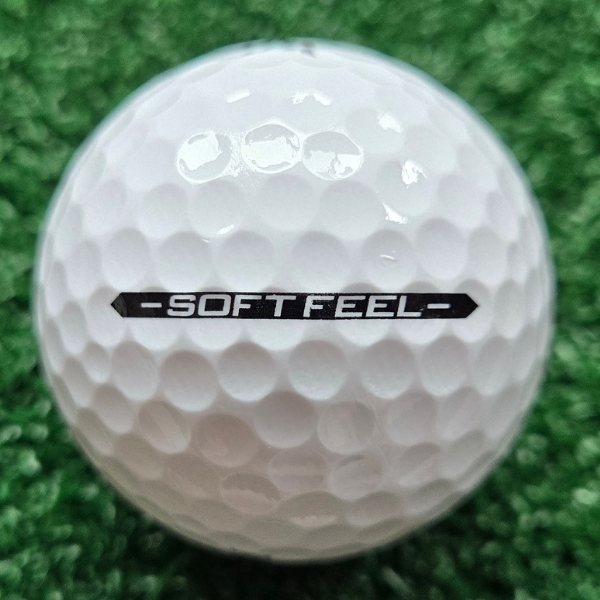
Spin in Golf
Spin plays a major role in golf ball performance. It determines a lot about how the ball behaves in the air and how it reacts when it hits the ground.
There are two types of spin you will hear about most: backspin and sidespin.
Backspin helps the ball stay in the air longer and land more softly on the green. You have probably seen pros stop the ball dead or even spin it backwards after it lands. That is the magic of backspin.
Sidespin is what sends your ball slicing right or hooking left. It is a mixed bag. Too much sidespin can ruin your shot. However, the right amount can help shape it around obstacles.
Spin is affected by how you strike the ball and what kind of ball you use. For example, high spin rates can give you more control with your wedges. But if you are trying to keep your drives straight, lower spin might be more helpful. That is where soft golf balls come in.
Pros and Cons of Lower Spin
As with most things in golf, it is all about trade-offs. Soft balls that spin less offer some pretty appealing benefits:
- Off the tee – Lower spin reduces drag and helps the ball fly straighter and farther.
- Straighter shots – Less sidespin means fewer hooks and slices.
- Forgiving feel – Softer balls are easier on your hands and easier to control for newer golfers.
That said, there are a few drawbacks to consider:
- Less shot shaping – Lower spin limits your ability to curve shots on purpose. If you’re a more experienced golfer who likes to work the ball, this might be a downside.
- Less bite on the green – Especially with wedges, you won’t get as much stopping power or backspin.
- Wind resistance – In windy conditions, high-spin balls can sometimes hold their line better. A soft, low-spin ball might get knocked around a bit more.
Matching the Ball to Your Game
Your golf ball should match your swing, your feel, and your goals. Soft golf balls are often a good option for golfers who are just starting or prefer that soft feel.
It also depends on where and how you play. If your local course is open and windy, you might want to consider a ball with a little more spin. On calmer days or park-style courses, soft balls can give you more forgiveness.
And don’t forget your short game. While soft balls may not spin as much around the greens, they do give you a predictable roll. That’s a big plus when you are trying to dial in your chipping or putting game.
Keep It Simple
At the end of the day, the best golf ball is the one that works for your game. Soft golf balls spin less, but that might be exactly what you need. Only straighter drives and a more forgiving feel can be game-changers.
It’s worth trying out a few different models to see what feels best. Brands like Bridgestone, Srixon, Callaway, TaylorMade, and Titleist all offer great soft ball options. When you add DTC brands like Vice, there are plenty of choices. Once you find one that fits your swing and helps you play more confidently, stick with it.
And remember, while the golf ball can help, the biggest factor is still you. Keep practising and pay attention to your performance. Also, when your game evolves, it might be time to consider a different ball. Find the gear that gives you the best results and allows you to have fun playing.
Do you use soft golf balls? Have you noticed a difference in spin? Share below!
Related
How to Test Golf Ball Spin – Key Metrics for Performance
Why Premium Golf Balls Spin More?

