
Ever wonder why your golf ball takes off the way it does after you hit it? It pretty much all comes down to spin. Also, your swing speed is one of the biggest factors behind it. The faster (or slower) you swing, the more that ball reacts in the air and once it hits the ground. So, how does your swing speed affect golf ball spin? Learning how this works can seriously change your game.
How Your Swing Speed Affects Golf Ball Spin
Swing speed goes beyond power and distance. It also directly affects how much and how quickly the ball spins. When you strike the ball, your clubface compresses it briefly. In that moment, the friction between the face and the cover creates spin. The faster your swing, the more force you apply and the more spin you generate.
Spin affects how high the ball flies, how much it curves in the air, and how it behaves when it lands. Backspin helps the ball stay airborne longer and stop faster on the green. Sidespin can create draws, fades, or, unfortunately, hooks and slices. The key is figuring out how your swing speed naturally produces spin and then using that to your advantage.
Low, Moderate, and High Swing Speeds
Your swing speed is unique. Most players fall into one of three general categories:
- Low swing speed: If you’re new to golf or don’t generate a ton of clubhead speed, you’re probably in this group. This often includes senior players or anyone focusing on control and consistency over power. Low swing speeds usually produce less spin. This can make it harder to shape shots or get the ball to stop quickly on the green. However, it also reduces the risk of massive hooks or slices.
- Moderate swing speed: This is where many weekend warriors land. It is a good balance between control and power, offering enough spin for versatility without the extremes. Moderate-speed players often benefit from a more forgiving ball. It helps them get consistency off the tee and decent feel around the greens.
- High swing speed: If you are hitting the ball 100+ mph with the driver, you are in the high-speed club. These players can generate a ton of spin. That is great for stopping the ball on the green or curving it on command. But be cautious. High spin can exaggerate any mishits. Therefore, having the right ball and technique becomes even more important.
Choosing a Golf Ball That Matches Your Swing Speed
Let’s start with me saying I lean toward the philosophy that there is no type of golf ball for swing speeds. I advocate for choosing the golf ball rather on your style of play and goals. However, there is one exception. I do agree that faster-swinging players will not benefit from lower compression golf balls. Keep that in mind.
- Slower swing speeds: Focus on balls that will give you decent distance and help you with distance control. It does not matter if that is a lower, medium, or higher compressed ball. Based on your style and goals, narrow your choices and try a few different models. If you are still fighting hooks and slices, stay away from high-spinning ones.
- Moderate swing speeds: You are in the middle-of-the-pack territory, but that should not limit your choices. Again, you could choose higher-spinning balls if you are good at controlling your shots. They will give you good distance, but also better distance control.
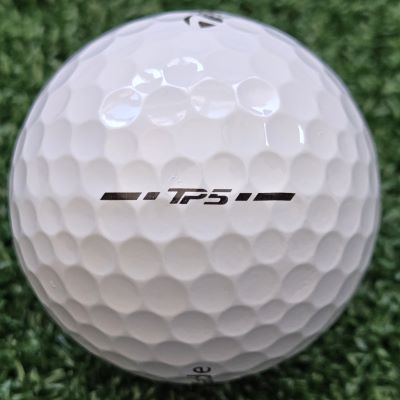
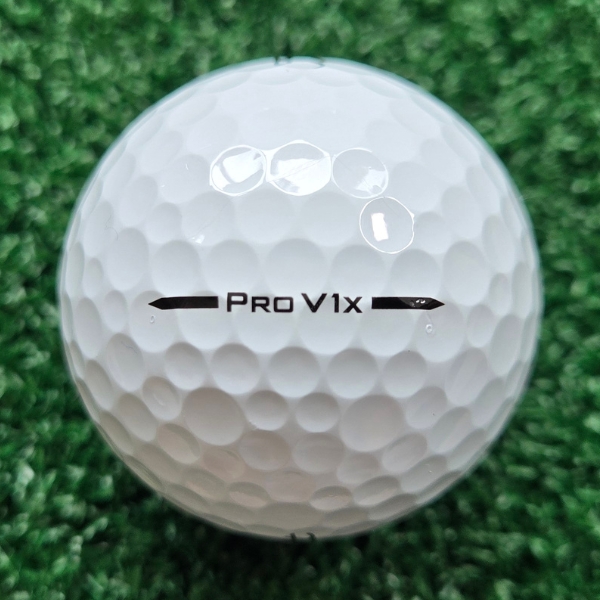
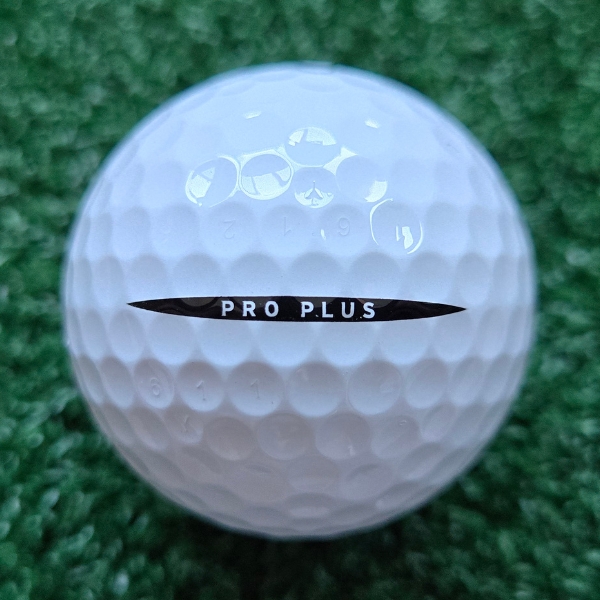
- Faster swing speeds: Since you fall into this elite category, you need elite golf balls. I mean, you can still go with lower to medium compressed ones, if you like a softer feel. But that way you might lose on distance and get less distance control in the process. Any compression rating over 85 should suit you well. Usually, higher-skilled golfers fall into this category, so shot control should not be an issue. If it is, and you sometimes hit wild hooks or slices, beware of high-spinning balls.
Tips to Adjust Your Game Based on Swing Speed
Knowing your swing speed is helpful. But knowing what to do with that info is where the real gains happen. Here are a few practical tips:
- Adjust your technique: Little things like ball position, swing path, and grip pressure can all affect spin. Experiment with these to fine-tune your ball flight and shot control.
- Use the right clubs: Shaft flex and clubhead weight matter. Slower swingers often need more flexible shafts and lighter setups to gain speed. High-speed players usually benefit from stiffer shafts and more penetrating ball flights.
- Think situationally: Not every shot calls for max spin or distance. Think about how your swing speed and ball will interact in different situations. Sometimes, it is smarter to go with a lower-spinning ball or club up to take spin off the shot.
- Watch and learn: Pay attention to players with similar swing speeds. See how they shape shots, choose equipment, and handle different course conditions. You can pick up a ton just by observing how others manage their game.
Make Your Spin Work for You
Your swing speed is one of the biggest factors influencing how your golf ball spins and behaves. Once you understand that connection, you can make better decisions on the course. Anything from the golf balls you play to how you approach each shot can be considered.
The right gear, technique, and strategy based on your swing speed can help you play smarter. It leads to more consistent shots, and ultimately, you can enjoy the game a whole lot more. Finally, making your spin work for you is where the magic really happens.
Related
How to Master Spin – Become a Better Golfer
How to Test Golf Ball Spin – Key Metrics for Performance
Why Premium Golf Balls Spin More? – All You Need to Know

