
The fact is, you generate spin on every shot with no exceptions. Sometimes more and sometimes less. The spin you generate can either help or hurt your outcome. So, how does golf ball spin actually influence your distance and control? You guessed it, this article will give you the answer.
How Golf Ball Spin Affects Distance and Control
Golf ball spin influences how the ball travels through the air and what it does when it lands. Backspin helps the ball launch higher, stay in the air longer, and stop faster on the green. Less spin means a lower flight and more rollout, which adds distance off the tee. Sidespin causes the ball to curve left or right, which can help you shape shots on purpose. However, sidespin can lead to hooks and slices if not controlled. In short, mastering spin gives you better command over every shot.
What Is Spin and Why Does It Matter?
Spin in golf refers to how the ball rotates while it is in the air. This rotation plays a major role in how your ball flies, curves, lands, and rolls.
You can change spin based on how you strike the ball, your swing path, the loft of the club, and the ball you choose to play. Understanding how spin works is useful knowledge for any golfer looking to gain consistency and improve control.
Backspin vs. Sidespin
Let’s start with the two types of spin you’ll encounter most: backspin and sidespin.
Backspin
Backspin creates lift. A good amount of backspin helps your ball rise higher and stay in the air longer. Also, it is the reason your shots land softly and stop quickly on the green. If you want your approach shots to “bite” instead of running past the flag, backspin is your best friend.
Shots hit with a clean, downward strike tend to generate the most backspin. This is more prominent with wedges and short irons. The steeper the angle and the cleaner the strike, the more the ball will spin backward.
Sidespin
Sidespin is what gives your shots a curve. It can be intentional (like a draw or a fade) or accidental (like a slice or a hook). Either way, sidespin sends your ball curving left or right, depending on the spin direction.
The goal is to use sidespin with purpose. Playing a fade into a left pin or drawing around a tree? That is where controlled sidespin becomes a real weapon.
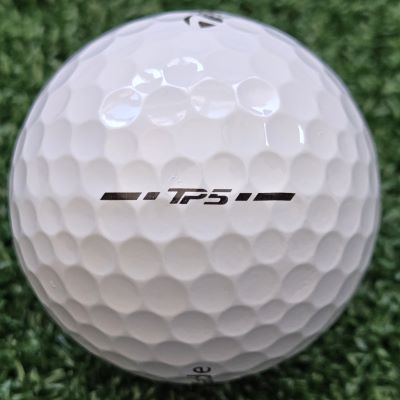
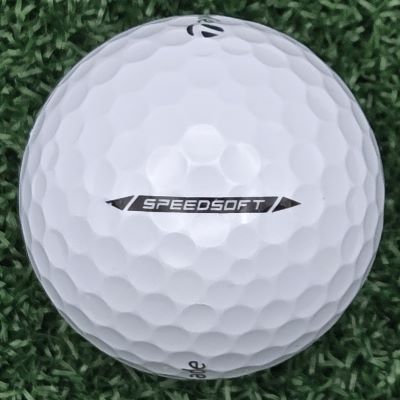
High Spin vs. Low Spin Golf Balls
Which one is right for you will depend primarily on your playing style.
High Spin Golf Balls
High spin helps you stop the ball quickly, making it ideal for players who want more control on the greens. It also helps when you’re shaping shots and working the ball both directions. If your game prioritizes accuracy, a higher-spin ball might suit you well.
Low Spin Golf Balls
Low spin reduces air drag and minimizes sidespin, which means straighter shots and more rollout. These balls are great for players who prioritize distance or struggle with slicing or hooking the ball.
Swing speed also matters here. If you swing fast, you naturally generate more spin. In that case, a lower-spin ball might help you keep things in check. If your swing speed is moderate or slow, a higher-spin ball can help keep your shots airborne and give you more control on approach shots.
How Spin Affects Ball Flight and Landing
Spin plays a major role in ball flight, especially when it comes to trajectory and stopping power.
- Backspin lifts the ball: More backspin equals a higher trajectory. This is useful when you need to carry a hazard or hit into a tight green.
- Less spin lowers the flight: Great for windy days or when you want the ball to chase out after landing.
- Spin controls the landing: High-spin shots will check up or even spin back. Low-spin shots will hit and roll, which might be what you want on firm fairways or long par 5s.
When you understand how your spin affects trajectory and rollout, you can start planning your shots more effectively.
Conditions That Affect Spin
Several external factors can change how much spin you produce and how it behaves:
- Weather: Wind, rain, and humidity all influence spin. Wind exaggerates curves, while moisture on the clubface can reduce friction and lower spin.
- Course conditions: Firm fairways mean more rollout on low-spin shots. Soft greens reward high-spin approaches that stop on a dime.
- Clean contact: Dirty grooves or grass between the ball and face can kill spin. Keeping your clubs clean is one of the simplest ways to maximize control.
How to Generate and Control Spin
Here are some simple ways to gain more control:
1. Work on Your Strike
Solid contact is key. If you are hitting the ball thin or with grass between the face and the ball, you’re not going to get reliable spin. Hit down on the ball with irons and wedges to create clean backspin.
2. Know Your Equipment
Some golf balls are designed to spin more than others. Urethane-covered balls (like most premium models) generally spin more, especially around the greens. Clubs with sharper grooves or higher loft can also help you increase spin where it counts.
3. Experiment with Ball Position and Swing Path
Move the ball slightly back in your stance with wedges to hit down on it more steeply. Adjust your swing path to promote a draw or fade intentionally when you need to shape a shot.
4. Practice in Different Conditions
Get used to how spin behaves on dry days, wet days, calm days, and windy ones. The more you practice in variable conditions, the more you will understand how to adjust your shots on the fly.
Spin Is a Great Asset
It is a tool you can use to control distance, trajectory, and ball behavior after landing. Learning how spin works can take your game to the next level.
You don’t have to reconstruct your swing or anything like that. All it takes is a better understanding of how your ball reacts and a few practical adjustments.
Start approaching your shots by asking what kind of spin you need. Answer that, and your game will get more purpose and your shots more control. Not to mention all the extra enjoyment when you golf!
Related
How to Master Spin – Become a Better Golfer
How Your Swing Speed Affects Golf Ball Spin – Understanding the Impact

